Wall panels have evolved from practical cladding solutions to defining features of modern luxury interiors. Homeowners, interior designers and contractors now use wall panels to create texture, depth and a sense of customization that paint and wallpaper simply cannot achieve. This guide provides a detailed account of the emerging wall panel appearances and how to choose wall panels that have maintained elegance over the years.
Luxurious interior design has shifted from flat monochrome walls to layered tactile surfaces. There are three forces driving this trend. First of all, manufacturing seamless high-end panels is more affordable than natural stone or custom wood products. Secondly, advancements in surface printing and coating technologies have enabled panels to replicate high-quality materials such as marble, wood grain and fabric, offering excellent durability. Thirdly, the current sound-absorbing boards combine strict noise control with eye-catching visual design, solving two problems with one product.
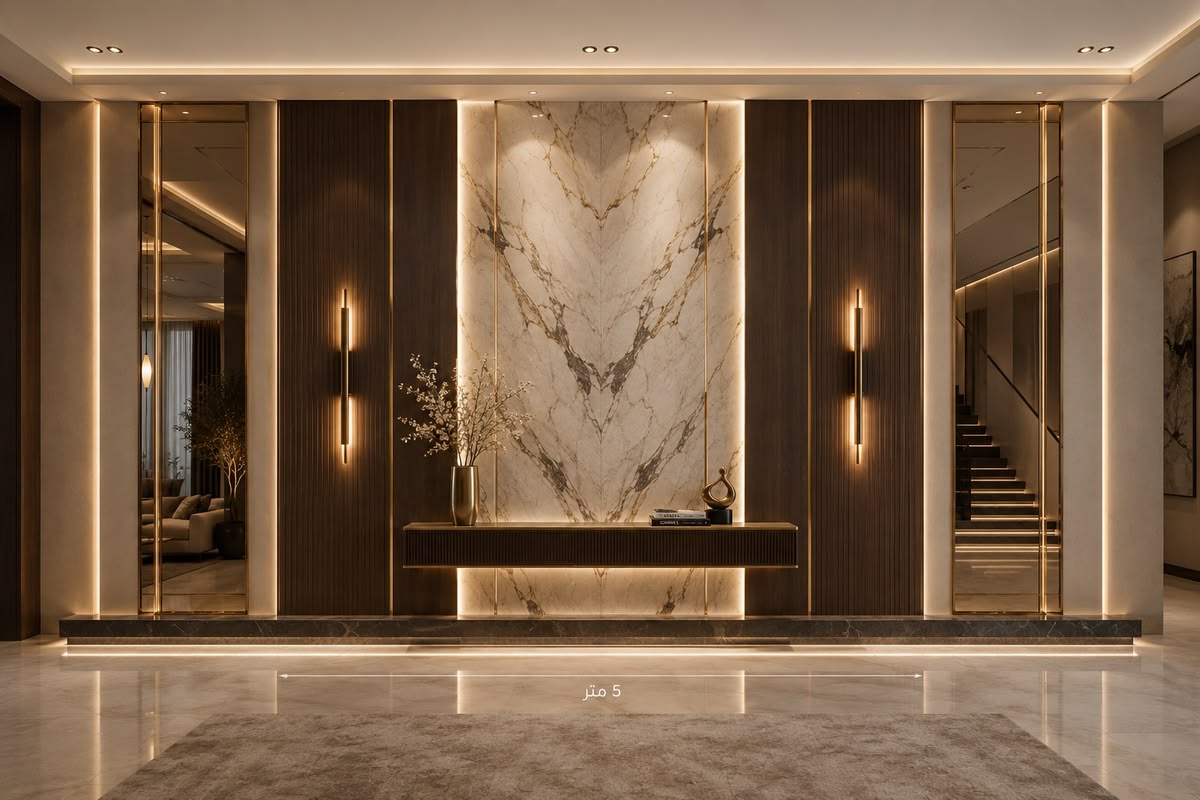
The larger panel creates a clean, integrated look, reduces installation time, hides defects in the base material, and makes the small room feel larger.
The marble texture remains the strongest statement in luxury wall design. High-definition printing is carried out on the engineering panel to provide the texture, depth and luster of real stone at a fraction of the cost of real stone, while avoiding the maintenance problems of real marble.
Grooves, ridges and geometric 3D panels add shadow, movement and depth to the flat walls. It elongates the space, softens the light and pairs perfectly with the simple furniture.
Modern soundproof wall panels combine high-performance sound absorption with wood, fabric and 3D-patterned decorative surfaces. They are increasingly being used in home theaters, open-plan living areas and hotel rooms.
Buyers are actively seeking panels made from recycled or renewable materials, low-VOC adhesives and formaldehyde-free core boards, which are safe for their homes.
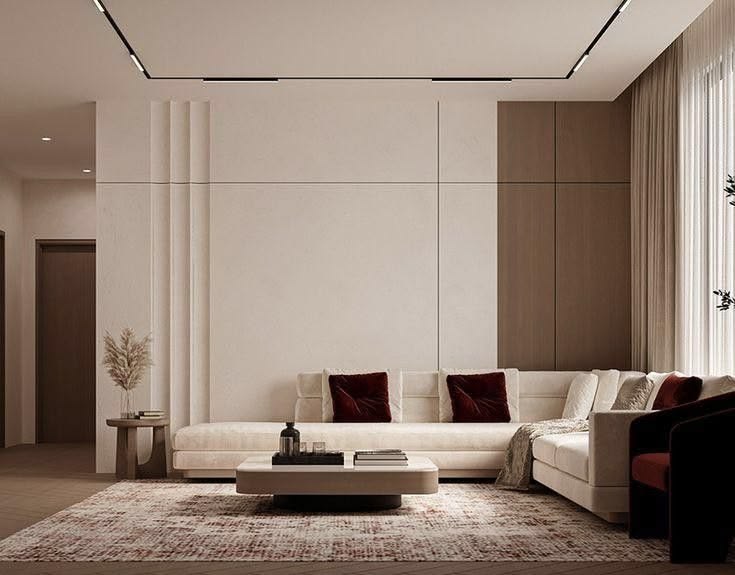
Use sound insulation boards in noisy areas such as home theaters, bedrooms and meeting rooms. Choose moisture-proof and waterproof panels in the bathroom and kitchen. Retain delicate textures for low-flow feature walls and choose impact-resistant surfaces for corridors and children's rooms.
Check the density of the core board, surface wear resistance, moisture resistance, fire resistance rating and formaldehyde emission level, and then select the finish.
Before submitting, ask how the panel system is installed. The lightweight panel and clean fixing system reduce labor costs and installation time. Make sure there are replaceable panels in the same batch to replace the damaged parts without having to reorder the complete run.
The trend of wall panels is clear: large format, stone texture, 3D depth, acoustic performance and eco-friendly materials. If you are planning a residential or commercial wall panel project, you can cooperate with us. We offer material selection guidance and provide consistent quality throughout the order.


